How to Choose a Leadership Speaker: A Practical Guide for Event Planners and HR Professionals

Dec 08, 2025
Leadership Speaker - How to Book

When you're searching for a leadership speaker for your corporate event, conference, or leadership development program, the obvious choice seems clear. Book the retired CEO who built a billion-dollar company. Or the military general who led troops through combat, or if you have the budget, a certain former President. These people have undeniably led at the highest levels, and their stories are genuinely inspiring.

But here's the challenge every speaker booker eventually discovers. An inspiring story about leading a company through an IPO or commanding a battalion in combat doesn't automatically translate into helping a mid-level manager lead their department more effectively. The contexts are different. The resources available are incomparable. And frankly, most of your audience will never face those exact circumstances.

Professor Bernard M. Bass, one of the most respected researchers in leadership and the pioneer of Transformational Leadership, observed that there are as many definitions of leadership as there are people who have written about it. This creates a real problem for organizations trying to develop their leaders. Your audience needs more than another inspiring war story or corporate turnaround tale. They need clarity about what leadership means in their context, and a practical strategy they can implement on Monday morning.

This is the lens through which you should evaluate every leadership speaker proposal that crosses your desk.

The Gap Between Inspiration and Application

To be clear, there's absolutely value in hearing from people who've achieved extraordinary things. A well-told story about overcoming impossible odds can energize an audience and shift their sense of what's possible. The problem comes when the story ends, and your people return to their desks with nothing but a good feeling.

The question to ask every potential speaker is this: after the applause fades, what will my people actually do differently? If the answer is vague or focuses solely on "mindset shifts" without concrete behaviors, you're looking at an inspirational speaker, not a leadership development resource.

The best leadership speakers bridge this gap. They use stories to illustrate principles, then provide frameworks that translate those principles into action. They acknowledge the difference between leading a Fortune 500 company and leading a team of twelve. They meet your audience where they are, rather than expecting them to extrapolate lessons from vastly different contexts.

What Makes a Leadership Speaker Effective: Key Selection Criteria

When evaluating leadership speakers for your organization, focus on these critical factors that determine whether you'll get lasting value or just temporary inspiration.

Research-Based Content Look for speakers whose content is grounded in leadership research, not just personal experience. While war stories and corporate turnaround tales make for engaging presentations, the most effective speakers connect these stories to proven frameworks. Ask potential speakers what research informs their approach. Can they reference leadership scholars or studies that validate their methods?

Practical Frameworks You Can Use on Monday Morning Speaker proposals love to promise "practical, actionable insights." But what does that actually mean? Practical content has several characteristics. First, it's scalable, working whether you're managing three people or three hundred. Second, it's applicable across different industries and functions. Third, it doesn't require massive organizational change or unlimited resources to implement.

Here's a test: imagine one of your managers listening to this speaker, then trying to explain the key takeaways to their team the next day. Could they do it? Or would they struggle to articulate anything beyond "it was really motivating"?

Customization Capabilities: Generic, one-size-fits-all presentations rarely deliver significant impact. The best leadership speakers invest time in understanding your organization's specific challenges before crafting their content. When interviewing speakers, ask about their customization process. Can they give you clear examples of how they've adapted their content for different industries, company sizes, or leadership levels?

Cross-Industry and International Experience: If your organization operates across multiple sectors or geographies, you need a speaker who understands how leadership principles apply in different contexts. Look for speakers with demonstrated experience across various industries and cultures. This breadth enables them to connect with diverse audiences and address the complexity of modern organizational life.

The Self-Leadership Foundation Most Speakers Miss

Given Professor Bass's observation about the countless definitions of leadership, where should organizations start? The research increasingly points to a clear answer: self-leadership.

Before anyone can effectively lead others, they must first learn to lead themselves. This isn't a philosophical statement. It's a practical reality backed by research. Organizations with a culture of self-leadership see:

  • A 25% boost in Organization Performance
  • A 30% increase in Team Productivity
  • A 21-27% increase in Employee Engagement

Self-leadership provides the foundation that makes all other leadership capabilities possible.

For speaker bookers, this matters because self-leadership content delivers broader organizational impact. It's relevant to everyone in your audience, regardless of their current role or level. An individual contributor needs self-leadership skills. So does a first-time manager. So does your executive team. The principles scale in a way that role-specific leadership advice doesn't.

This also addresses the clarity problem Professor Bass identified. Rather than trying to synthesize dozens of competing leadership definitions, self-leadership offers a clear starting point: master yourself first. This creates a common language and foundation across your organization.

Full disclosure: I've spent 25 years developing and delivering self-leadership content precisely because of this research foundation. My work has been cited in over 200 academic papers, and organizations from Microsoft to Singapore Airlines have found that starting with self-leadership creates a more effective foundation for all their other leadership development efforts. But regardless of which speaker you choose, I'd encourage you to prioritize this foundational approach.

Essential Questions to Ask Before Booking a Leadership Speaker

When you're vetting potential leadership speakers, these questions will help you get beyond the polished sales pitch and evaluate true capability.

About Their Content:  "Walk me through your content development process. How do you stay current with leadership research and emerging challenges?" This reveals whether they're genuine students of leadership or just telling their own story.

"Can you define leadership in a way that's useful for our specific audience?" Given Professor Bass's observation about countless competing definitions, can this speaker provide clarity? Do they have a coherent philosophy?

"What will my people do differently on Monday morning after your keynote?" If they can't give you a clear, specific answer, keep looking.

About Their Experience: "Describe a speaking engagement that didn't go as planned and what you learned." This shows their self-awareness and capacity for growth.

"Can you provide examples of how organizations have implemented your frameworks months after your presentation, and what results they saw?" Not just testimonials about how inspiring they were, but concrete stories of application and outcomes.

"What experience do you have with organizations similar to ours in terms of industry, size, or challenges?" Relevance matters.

About Implementation: "What resources do you provide to help reinforce your message after the event?" Look for discussion guides, digital resources, or follow-up options.

"How do you customize your content for different audience levels?" They should be able to articulate a clear process, not just promise to "tailor it."

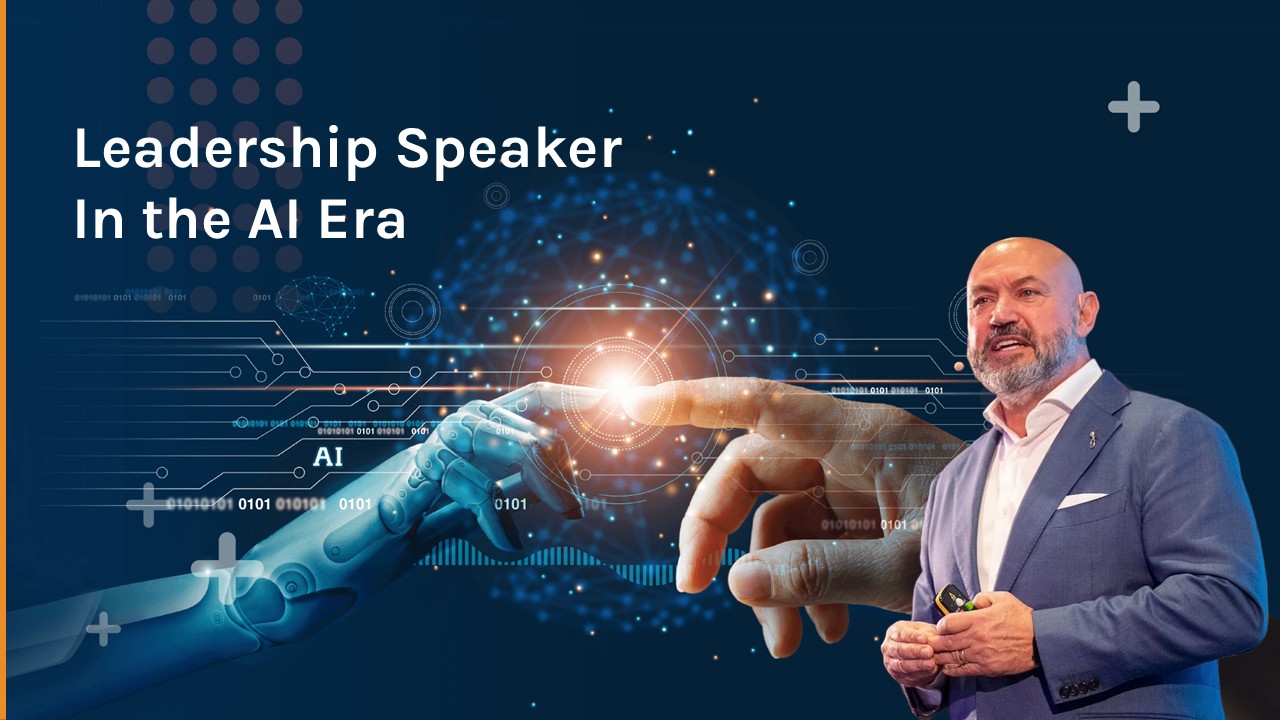
Leadership Speakers and the AI Era

Right now, we're in the middle of the most significant workplace transformation in history. AI isn't just changing what work gets done and how it gets done. It's fundamentally altering what humans need to contribute, which means it's changing what leaders need to develop in their people.

This makes your choice of leadership speaker more consequential than usual. You need someone who can help your leaders navigate this specific moment, not someone recycling leadership lessons from a different era.

The challenge is that many speakers are simply adding "AI" to their existing content without really grappling with its more profound implications. They might mention ChatGPT or automation, but they haven't thought through how this technology shift changes the fundamental nature of leadership.

Look for speakers who can articulate what becomes more important as AI capabilities expand. The answer, increasingly, is the uniquely human capabilities that AI can't replicate: creativity, emotional intelligence, judgment in ambiguous situations, and the ability to inspire and develop other humans. Interestingly, all of these capabilities rest on a foundation of self-leadership.

A speaker who understands this can help your leaders prepare for the future rather than just reflect on the past. My upcoming book with Wiley, "POTENTIAL-IZE: How Leaders Unlock Human Potential in the Age of AI," addresses exactly this challenge, but the broader point stands regardless of which speaker you choose: make sure they're preparing your leaders for the workplace that's emerging, not the one that's disappearing.

Red Flags When Hiring a Leadership Speaker

Watch out for these warning signs that a speaker may not deliver the value you're seeking:

Inability or Unwillingness to Customize: If they're delivering essentially the same talk to every audience regardless of industry, size, or challenges, they're not going deep enough. Your healthcare organization faces different leadership challenges than a tech startup or manufacturing company.

All Story, No Framework: Speakers who focus heavily on their own achievements without connecting them to frameworks your people can use won't drive lasting change. Entertainment value isn't the same as developmental value.

Transformation Promises from a Single Keynote: Be wary of speakers who promise complete transformation in a single presentation. Real leadership development requires sustained effort. The best speakers position themselves as catalysts for change, not miracle workers.

Dated Content: Leadership thinking evolves. A speaker whose content hasn't changed in five years isn't keeping pace with how work is changing, especially given the rapid transformation driven by AI and remote work.

Lack of Specific Implementation Examples: If they can't provide concrete stories of how organizations have applied their frameworks and what results they've seen, that's a significant red flag.

Green Flags: What to Look For

Conversely, these positive indicators suggest a speaker who will deliver genuine value:

Detailed Discovery Process: Speakers who ask probing questions about your organization, your audience, and your specific challenges before proposing content demonstrate their commitment to relevance.

Frameworks Backed by Research: Look for speakers who can reference leadership research, cite scholars in the field, and explain how their frameworks connect to evidence-based practices.

Multi-Format Delivery Options: The best speakers can deliver effectively in-person, virtually, or in hybrid formats. They understand the different dynamics and adjust their approach accordingly.

Professional Credentials: Certifications such as CSP (Certified Speaking Professional) indicate that a speaker has met rigorous standards for speaking excellence and business ethics. While not the only factor to consider, professional credentials provide third-party validation.

Reinforcement Resources: Speakers who provide discussion guides, digital tools, or optional workshops that extend the learning demonstrate they're thinking beyond just their stage time.

Track Record Across Contexts: Experience working with diverse organizations, industries, and cultures demonstrates adaptability and depth of expertise. Having delivered keynotes in over 40 countries to organizations as diverse as HP, Deloitte, Credit Suisse, and Red Hat, I've learned that the fundamentals of self-leadership translate across contexts, but the application always needs thoughtful customization. Look for speakers who demonstrate this understanding.

Speaker Budget Considerations: Getting ROI on Your Investment

Leadership speakers span a wide range of fees. The question isn't whether to spend more or less, but whether the speaker delivers value proportional to their investment.

Consider the total value equation. A more experienced speaker might cost more upfront but require less management, deliver more consistent results, and provide better post-event resources. Someone with international experience and professional certifications has demonstrated both expertise and ethics through rigorous evaluation.

Also, think about the opportunity cost. If you book a speaker who delivers an entertaining hour but no lasting impact, you've not only spent their fee but also your audience's time and your organization's opportunity to actually develop its leaders. That's expensive.

The best value often comes from speakers who offer multiple touchpoints: pre-event consultation to understand your context, the keynote itself, and post-event resources that help your people implement what they've learned. This integrated approach means your investment delivers returns long after the event ends.

Virtual, Hybrid, or In-Person: Format Considerations

The speaking landscape has evolved significantly since 2020. You now have more delivery options, which means more decisions to make about format.

Virtual Events: For virtual presentations, you need speakers who understand how to maintain energy on-screen, have professional studio setups, and can engage audiences without a physical presence. Ask for recordings of their virtual presentations to assess their effectiveness in this format.

Hybrid Events: Hybrid events are particularly challenging because speakers need to engage both the in-room and remote audiences simultaneously. Not all speakers can do this well. It requires different techniques and often additional technology considerations.

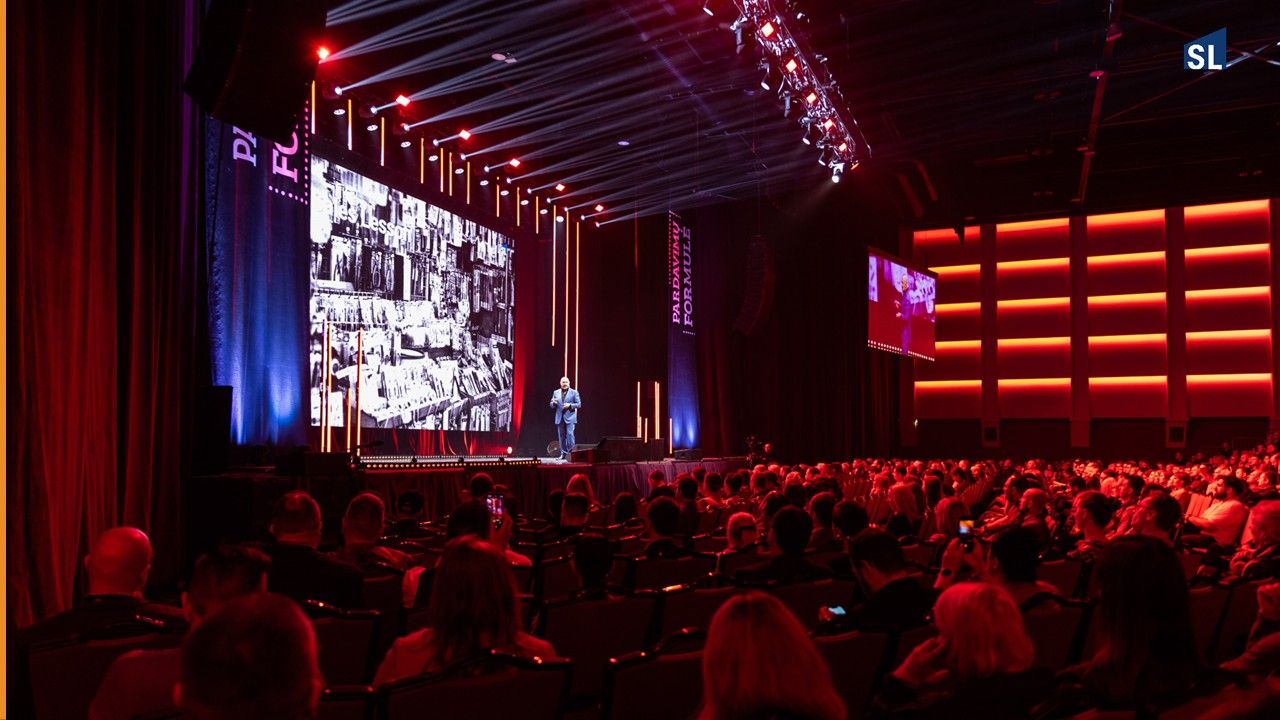
In-Person Events: For in-person presentations, you want speakers who can read the room and adjust their delivery in real time, who bring physical energy and presence, and who can handle travel and setup logistics professionally.

Don't assume a speaker who excels in one format will automatically succeed in another. Ask for specific examples of their work in your chosen format and request references from those events.

Making the Impact Last: Post-Event Implementation

The best leadership speakers understand their role is to catalyze change, not complete it. Before you book anyone, ask how they recommend reinforcing their message after the event.

Do they provide discussion guides that managers can use in team meetings? Digital resources that people can reference when they're trying to apply the concepts? Frameworks simple enough that your people can remember and use them weeks later?

Also consider your own role in reinforcement. How will you measure impact? Options include:

  • Follow-up surveys asking specific questions about behavior change
  • Tracking implementation of the speaker's frameworks
  • Monitoring engagement or performance metrics over time
  • Conducting focus groups to assess what's being applied

Having this measurement plan before you book the speaker helps ensure you select someone whose content lends itself to lasting application rather than temporary inspiration.

Finding the Right Leadership Speaker for Your Organization

Ultimately, booking the right leadership speaker comes down to an honest assessment of what your organization needs right now.

If you genuinely just need to energize people during a difficult period, then an inspiring story from someone who's achieved extraordinary things might be exactly right. There's legitimate value in that.

But if you need to actually develop your leaders' capabilities, to give them tools they can use, to create common language and frameworks across your organization, then you need a different type of speaker entirely. You need someone focused on clarity and implementation, not just inspiration.

The more precise you are about your actual need, the easier it becomes to evaluate speakers based on their fit rather than their credentials or charisma.

Remember Professor Bass's insight about the countless definitions of leadership. Your audience doesn't need another definition to add to the pile. They need clarity about what leadership means in their context, practical frameworks they can implement, and strategies they can use on Monday morning.

When evaluating potential speakers, prioritize those who:

  • Ground their content in research and proven frameworks
  • Customize their presentations to your specific context
  • Provide practical tools for immediate implementation
  • Understand how AI and technology are reshaping leadership
  • Offer resources for post-event reinforcement
  • Have demonstrated success across various organizations and settings

That's what separates a truly effective leadership speaker from someone who just tells a good story. And that's what will ensure your investment in a leadership speaker delivers lasting returns for your organization.

Whether you're planning a conference in London, DubaiSingapore, Madrid, or anywhere else in the world, taking time to evaluate speakers, using these criteria, will help you make the right choice for your organization's unique needs and drive genuine leadership development that extends far beyond the keynote itself.

If you'd like to explore what a self-leadership approach might look like for your organization, visit selfleadership.com. But regardless of which direction you go, I hope this guide helps you ask the right questions and find a speaker who truly meets your organization's needs.

Get a FREE Chapter of The New Leadership Playbook

Go to the Download Page

Stay connected with news and updates!

Join our mailing list to receive the latest news and updates from our team.
Don't worry, your information will not be shared.

We hate SPAM. We will never sell your information, for any reason.