
Impostor Syndrome and the need for Validation
Feb 22, 2023
Last updated: August 23, 2026
Impostor Syndrome, doubting your skills and being fearful of being exposed, is much more prevalent than you might think.
I remember some years ago, speaking with a senior executive who would hide in his office and constantly check his phone to see if some imagined mistake had been discovered.
This was an extreme case but I think we all question how good we are, and it feels great when we are validated for doing a good job.
"BE CAREFUL that being validated doesn't turn into a NEED"
The Need for Validation
When we are born, we can do nothing useful but are loved by our parents for just being. Just being human in itself has value, and how much we appreciate that value is the measure of our Self-esteem. But, here's the rub, when we go out into the world, to school, to college, to work, we are not appreciated for just being, we are measured for our doing.
We have been conditioned to perform. From the encouragement to take our first faltering steps, and successful potty efforts, to school artwork and a good math grade. When we got a sticker, a "well done", or an 'A' on a test we felt the warm experience of validation.
Where Validation Goes Wrong
Early childhood experiences set us up to look for validation as adults, however, this can lead to problems if:
- We confuse our human-being (self-esteem) with our human-doing (confidence)
- We fail to learn to self-validate and so always look for an authority figure
- We were validated for the wrong things by dysfunctional parents, and carry this into adulthood.
Developing Self-leadership
Growing up, leading yourself, and effectively leading others entail developing intrinsic motivation and the ability to recognize when you have done your work. When you have achieved this level of self-leadership, you are freed from the manipulations of others and can become an influencer yourself.
The definition of self-leadership is the practice of intentionally influencing your thinking, feeling, and actions, toward your objectives (Bryant & Kazan 2012)
Working with a mentor or a coach can accelerate this process, as they can challenge you to identify your core values and to live and work intentionally. When you can clearly and confidently say,
"I am enough"
you will experience a liberation that will allow you to achieve so much more.
A mantra that I like to share with my coaching clients is,
"I have nothing to prove, only things to improve".
The power of this mantra is that it negates the need for validation whilst keeping you humble and looking for ways to develop. That inner voice, the one that keeps checking whether you've been found out, is exactly the kind of inherited, not-actually-yours self-talk I unpack in Change Your Inner Dialogue, including how to evict it and choose a narrative that's actually true.
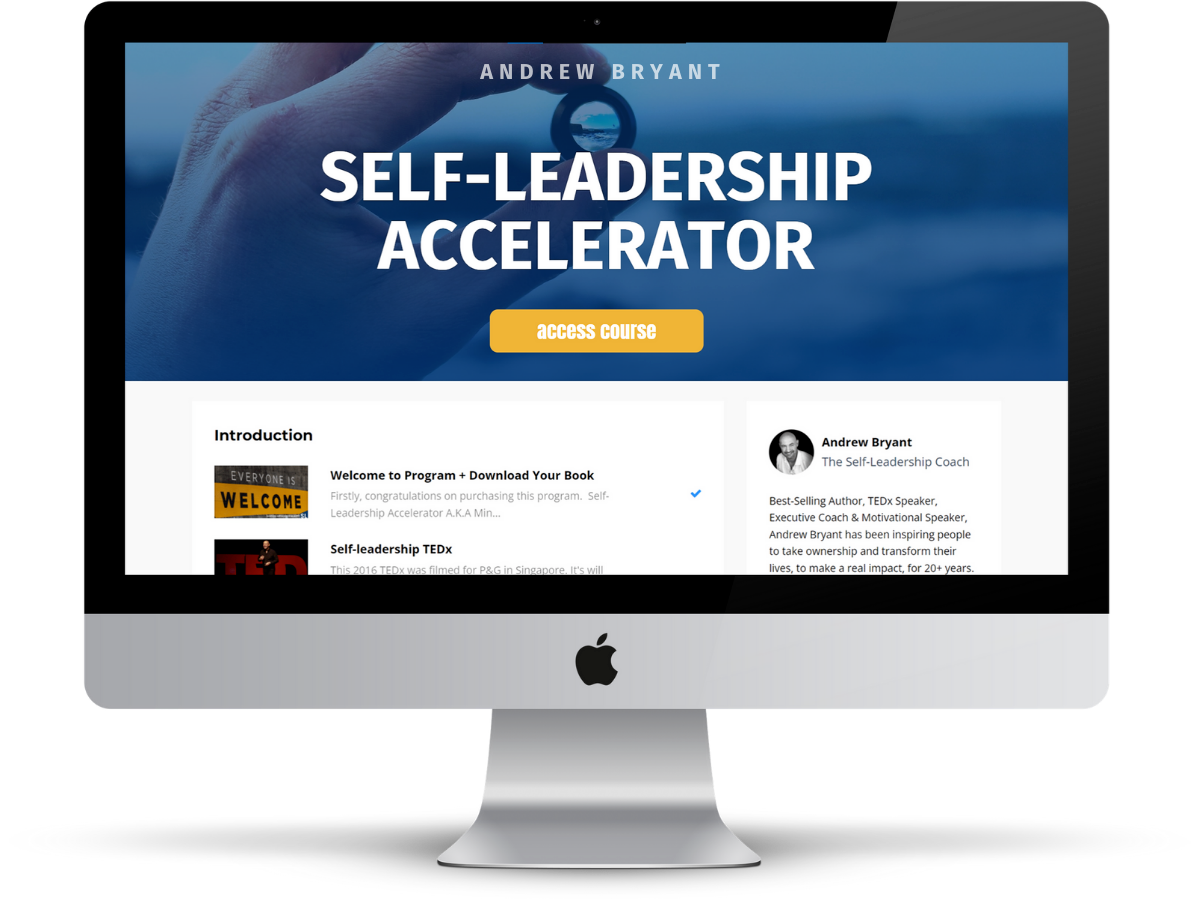
The Self Leadership Accelerator is an on-demand, online coaching program that can help you overcome impostor syndrome and step into confidence.
Frequently Asked Questions
What is impostor syndrome?
Impostor syndrome is the persistent fear of being exposed as a fraud despite evidence of your competence. It shows up as constantly checking for mistakes, discounting your own achievements, and feeling like you don't deserve your success.
Why do I have a constant need for validation?
Early childhood conditions us to seek validation. We're loved unconditionally as infants, then praised specifically for performance once we start school, sport, and work. That conditioning can carry into adulthood as an ongoing need for external approval, especially if you were validated for the wrong things growing up, or never learned to validate yourself.
What's the difference between self-esteem and confidence?
Self-esteem is the value you place on simply being. Confidence comes from doing. Impostor syndrome often comes from confusing the two, chasing confidence through validation for performance to compensate for a self-esteem that was never fully built.
How do I stop needing external validation?
Self-leadership, the practice of intentionally influencing your own thinking, feeling, and actions, replaces the need for outside approval with self-validation. A useful starting mantra: "I have nothing to prove, only things to improve."
Turn Insight Into ActionReading about leadership can change what you know.Self-leadership changes what you do.Develop your leadership effectiveness → Explore Self-leadership Discover your leadership strengths & gaps → Choose an Executive Coach Unlock the potential of your team → Workshops & Masterclasses Ignite your event or conference → Book Andrew Bryant as your Leadership Speaker "Prescription without diagnosis is malpractice" |