
Knowing Yourself is the Secret to being a Compelling Speaker
May 12, 2023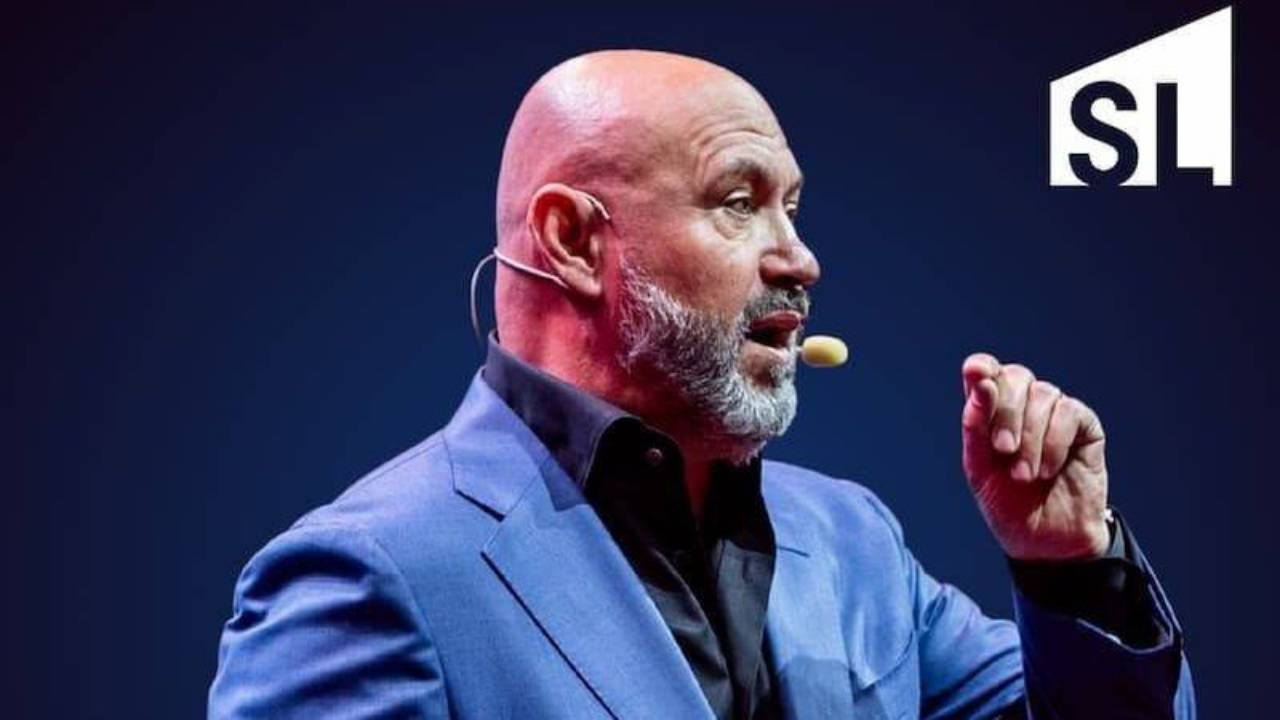
Last updated: August 17, 2026
"But who are you?"
This was not the question I was expecting as I was chatting with the CEO of a speakers bureau that I was interested in being represented by.
Typically, the conversation is about areas of expertise, experience, and audience outcomes, but this interview went in a different direction, and I was intrigued.
Being a Compelling Speaker

A compelling speaker connects to the audience with their own authenticity, storytelling, and humanity. The audience has to think and feel, "Yes, that's me too."
As I thought about the CEO's question, I realized:
"I am more than the sum of my experiences. I am the sum of my reflections on those experiences, and the choices I have made as a result of those reflections."
I think I started researching, writing, and speaking about self-leadership because it was I who needed to develop my self-awareness, self-management, and self-learning.
It has been my experience that we teach best that which we found hardest to learn. When you listen to a speech, don't you want to know that the speaker has struggled and is invested in their message?
When I first started as a leadership speaker, I imagined myself as a pebble dropped in a pond, with the ripples of influence radiating out. As I started working with senior leaders and Executive Leadership Teams, I imagined myself instead as a catalyst for change, creating a safe environment to challenge people to take greater ownership and responsibility for being at their best.
The Secret to Knowing Yourself

Answering the "who are you?" question is not easy. It takes work, but it is worth it.
- You can reflect on your life journey and notice the metaphor or narrative that describes it. I mentioned my pebble in the pond and catalyst for change metaphors; yours could be a journey, a quest, a labor of love.
- You can ask friends to describe you in three words. This can be a window into your values. I discovered that my top three values were transformation, ownership, and impact.
- You can write, whether that is journaling, posting, or a book. When you write, you get clarity about what you actually think on a topic. Having written and published five books, I can attest to the transformational power of putting your ideas on paper or a screen, and having a co-author sharpens your insights even further.
- You can travel. Travel broadens the mind, reveals your own programming and biases, and opens you up to the realization that there is more than one way to be in this world.
- You can volunteer. When we take our eyes off our own wants and needs and serve those less fortunate than us, we become grateful for who we are and what we have. I am fortunate to have worked with at-risk and disadvantaged teenagers, and in coaching them toward self-esteem and self-confidence, I learned a great deal about myself.
Not Everyone Wants to Be a Professional Speaker, but Everybody Needs to Speak Professionally
This blog was written as the result of an interview with a speakers bureau. I have been a leadership speaker for nearly 25 years, speaking on stages around the world, but I have also coached countless executives to step onto a stage. Being able to speak professionally gives you influence and impact, but only if you are prepared.
This piece is about the inner work: knowing who you are before you open your mouth. If you're further along and thinking about the practical and business side of speaking professionally, from crafting your origin story to building a speaking business, see How to Become a Motivational Speaker.
I hope this has inspired you to work on getting to know, and like, yourself. We are transformed by questions, and I have updated my About Andrew Bryant page to include my conclusions about who I am, at this time.
Frequently Asked Questions
How would you describe yourself as a speaker?
Not with a job title or a list of topics. The most useful answer names a metaphor for how you show up (a pebble in a pond, a catalyst for change) and the values that consistently drive your message. I describe myself through my values: transformation, ownership, and impact. That kind of answer is memorable in a way "experienced keynote speaker" never is.
Why does self-awareness matter for public speakers?
Audiences can tell the difference between a speaker performing expertise and one who has actually done the work behind their message. Self-awareness is what lets a speaker connect their content to their own struggle, which is what makes an audience think "yes, that's me too" instead of just taking notes.
How do you find your authentic speaking voice?
Not by studying other speakers. It comes from answering a harder question first: who are you, beneath your topic and your credentials? Reflecting on your life's metaphor, asking people close to you to name your core values, and writing regularly are three concrete ways to get there.
What questions help you get to know yourself as a speaker?
What metaphor or narrative describes your life so far? What three words would the people who know you best use to describe you? What have you written that clarified what you actually think? Where has travel or service to others changed how you see your own story?
Is storytelling more important than expertise for a speaker?
Neither works without the other. Expertise without self-awareness reads as a lecture. Storytelling without expertise reads as performance. A compelling speaker connects the two: real knowledge, delivered through the lens of a story the audience can see themselves in.
Turn Insight Into ActionReading about leadership can change what you know.Self-leadership changes what you do.Develop your leadership effectiveness → Explore Self-leadership Discover your leadership strengths & gaps → Choose an Executive Coach Unlock the potential of your team → Workshops & Masterclasses Ignite your event or conference → Book Andrew Bryant as your Leadership Speaker "Prescription without diagnosis is malpractice" |